Why Development Matters More Than Exposure
If you or your child wants to play collegiate volleyball, the below is very important.
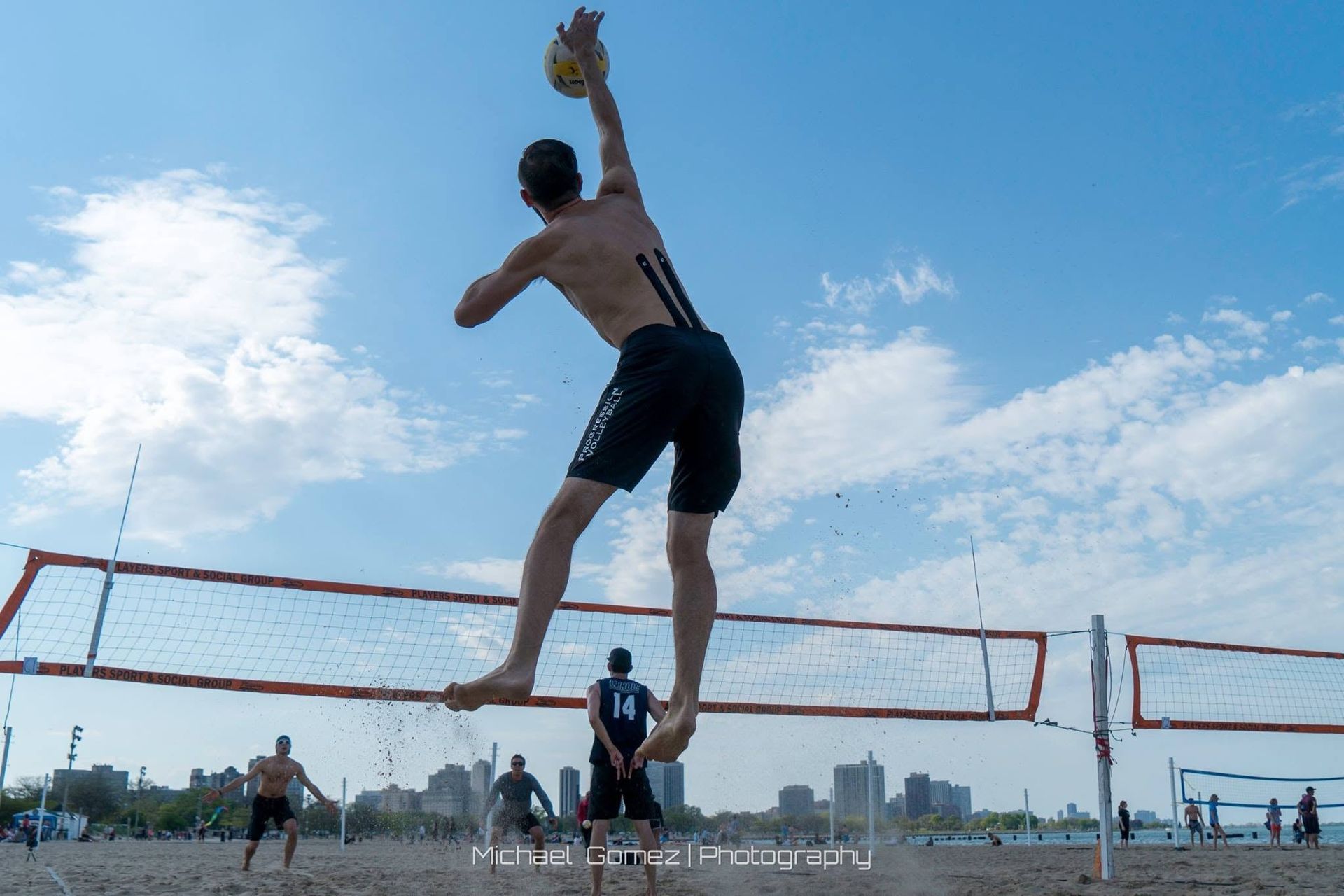
I finished my high school volleyball career with no colleges looking at me and a foot that needed surgery. I had played the sport for 7 years without a lot of growth to show for it. I honestly thought my time with the sport was done.
18 months later I ran into coaches that changed how I trained/looked at the game. This led to a 1,000 kill all-conference collegiate career, followed by a beach doubles run that included being the top ranked team in the state of IL/a win at the 2013 Midwest Championships.
I know what it takes for a player to get from point A to point B. And after coaching collegiately, indoor club, and now juniors beach, I want to share the biggest mistake parents and players make - as well as what you can do to avoid it.
There was a time where playing club volleyball mattered. Programs kept 2 or less teams per age group, the coaches were all experienced in the sport, the IMPACT certification actually taught how to coach vs. liability training, and playing year-round truly separated you from the typical athlete. 30 years ago, there were 357,576 girls playing high school volleyball (Page 280 of this link).
Over the last 3 decades, we are averaging about an additional 3,000 girls per year playing high school volleyball - we are officially at over half a million girls playing (page 4 of this link). More and more athletes are playing club -
up 40% in only a 10-year span - but with college opportunities not increasing, what does that mean for families?
There are roughly 29,000 ncaa volleyball athletes. Roughly 6% of athletes that make their high school team will go on to play collegiately. Objectively, that means all athletes need to be much more specific on their goals:
"Is what I'm doing as a player/athlete each day helping me keep up with/work harder than 47 out of 50 of my peers nationwide?"
All that should matter is "Am I in a training environment that is truly helping me reach my goals." But I'm constantly having to de-program families that have been hit relentlessly with a different word:
Exposure.
Here's an example: An article on one of our governing bodies' sites has the following phrase: "More than 90% of women’s college volleyball players reported they played both. This means that club volleyball is an integral part of the recruiting process for college coaches, and that there is a strong connection between club volleyball and reaching the next level of competition."
I have read countless articles with lines similar to that. One that always had me shaking my head was "85% of college coaches would rather recruit at a club tournament than a high school match." So parents see this, and of course, they think, "If I just put my kid in club and they put the time in, they're going to play in college!"
But the truth we should be discussing with parents is this: with roughly 425,000 athletes playing club volleyball now, the large majority of kids that play club will not play collegiately.
College coaches are recruiting individuals based on their ability to perform, no matter how much exposure an athlete is/isn't getting. Not only that, but if you're at a program, and the athletes your child are trying to catch up to are getting a better education/playing against better competition every day, I could and would argue that most kids on low-level club teams are actually being left behind/having the gap widened every day their peers are getting the quality of instruction THEY need.
To conclude: Parents, players - PLEASE think about what you're trying to accomplish when you sign up for a program. Ask yourselves: Is this environment going to help my athlete get to the top 6%?
Because many of you are going to tryouts the next few weeks, and we're not being honest with you.
You aren't being told that the top kids have already been offered. You're being evaluated to see if you can help fill their last teams. If you tried out in July and were told not yet, they are telling you you aren't good enough - but in November we may need a few extra players to round our teams out.
You need to find an environment that prioritizes YOUR growth vs. a program that is evaluating you solely on what YOU can do for THEM.
And too many families are so desperate to have their kid "make a team", many are signing contracts with no guarantee of who their coaches are going to be, which is a
giant red flag.
I'm not anti-club. This is what it is to play indoor in 2026.
But I'm pro-family - and right now the current landscape does what's best for generating numbers for a program, not what's best for a child's development.
And it breaks my heart to watch families commit tens of thousands of dollars, sacrifice all other hobbies/interests, do everything these articles tell them about exposure/getting noticed, but because the child's development wasn't the focus they do not get the skillset to reap the benefits of all the exposure they committed to.
Many of you are making a decision over the next few weeks that will ultimately commit your child to the next 7-8 months of training. It is imperative that you do so understanding why club matters, and to ensure you're finding a program that cares about your child's development more than winning tournaments. I read the parent forums, I see how so many of you are not getting the experience you want, and to me the solution is for some of you to have a little more purpose on how and why you're choosing your next program.
If you're in the Chicagoland area,
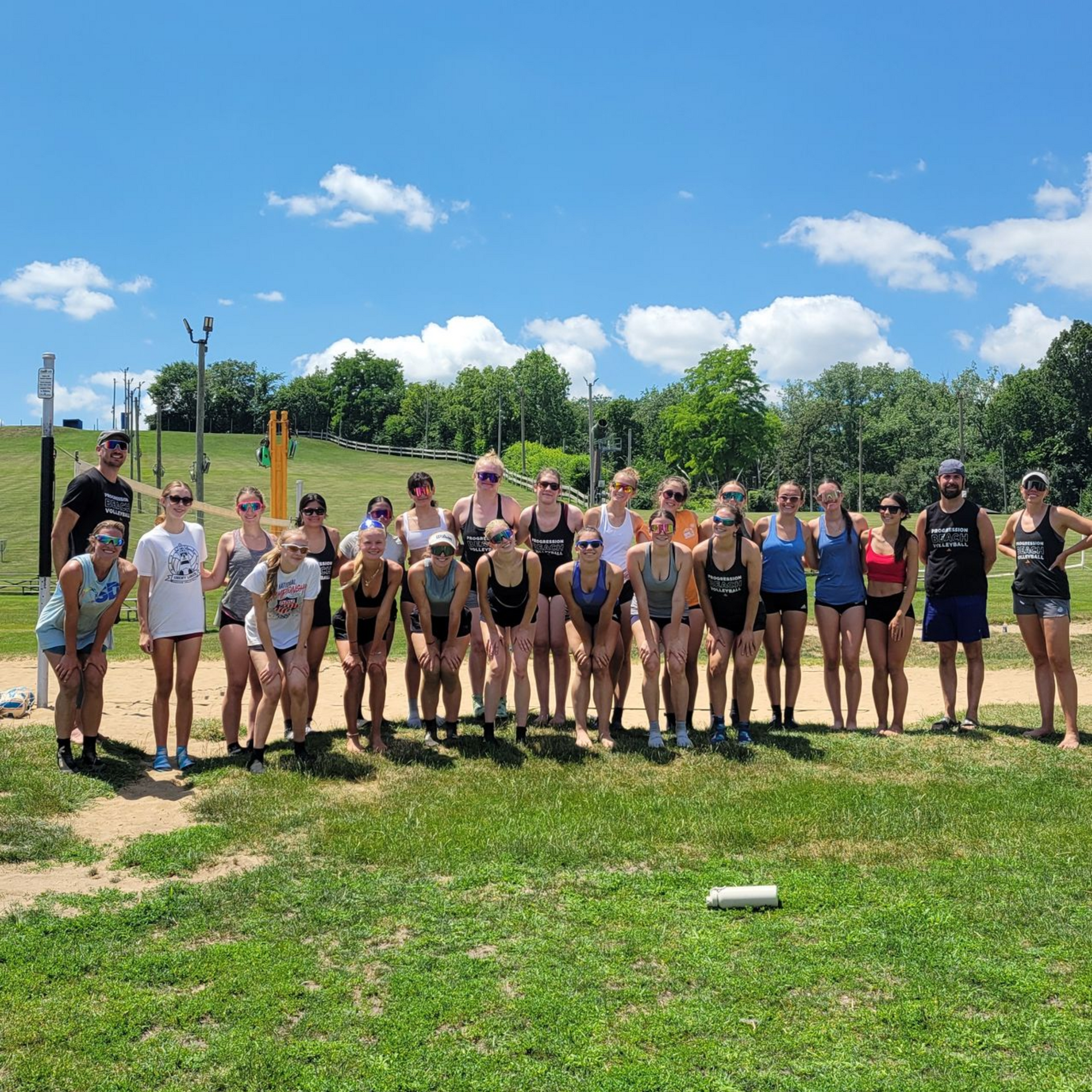
I would love for you to try our program vs. having your child try out for us. 11-14U and 15-18U girls can experience a real practice w/ parents watching by signing up
here.
I believe kids shouldn't have the quality of instruction tied to how naturally gifted/how much potential their height implies they may have in this sport. You can hop into a live practice over the next 6 weeks to let our program show you what a training session should look like for kids that want to take their game to the next level. You can sign up here, play one practice, and if you like it, sign up for a future session. We do not cut, every kid gets the same system/quality of coaching. Equal reps for kids at every practice. No kid held back, no kid left behind.
It's not an easy time to be a youth sports athlete. The system isn't serving everyone. I wish you luck, I hope you find a training environment that prioritizes the development of the athletes, and if not I hope you have the courage to leave the norm - it may be the only path that allows your child to achieve their big-picture goals.